North
lumen tenuis2 400 lux
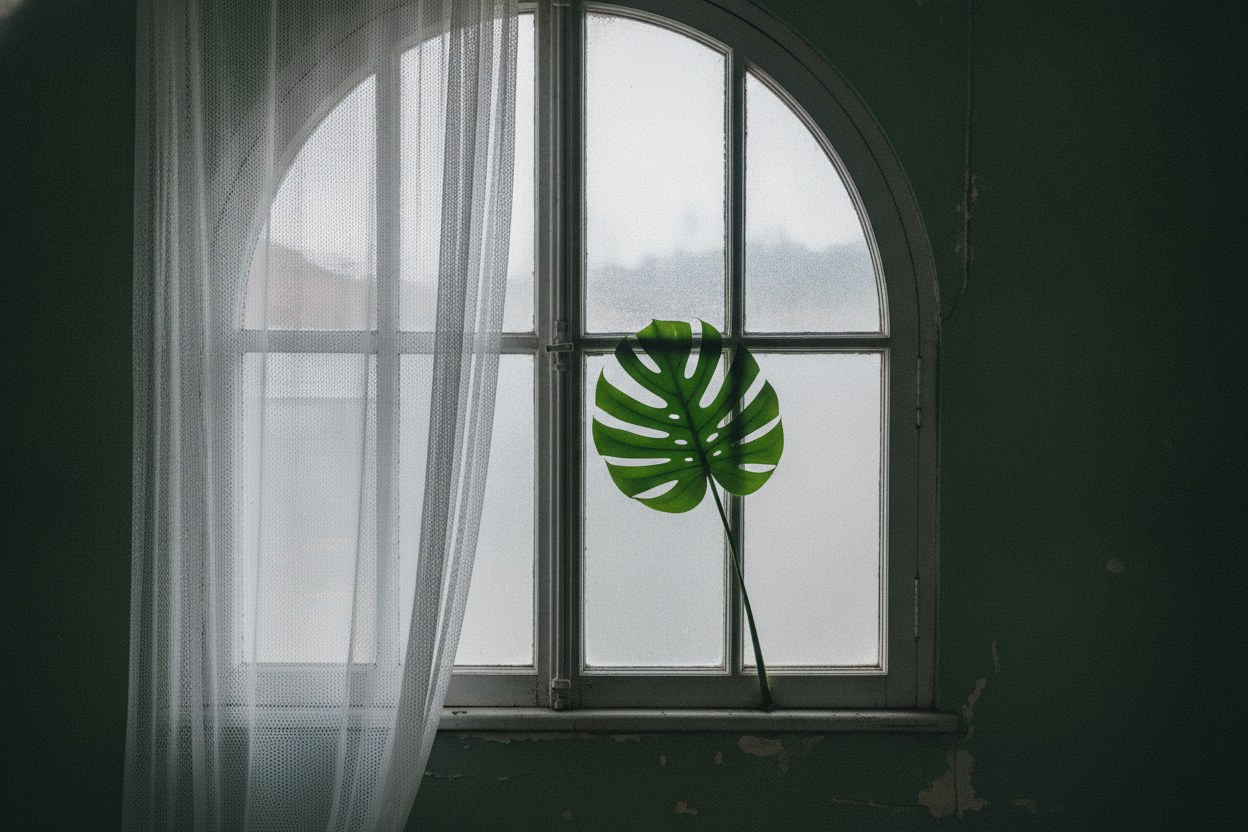
Flat, shadowless sky-light. No direct sun, ever. Honest shade — pick the plant for it.
Issue 07 · Nov 2026
Issue 07 · November 2026
We measure the light instead of guessing, and say plainly which plants a window cannot keep.
From the desk
A reader-supported journal. We sell no plants and take no nursery advertising — so we can tell you plainly when a window will not keep a plant.
Keep away from pets
The masthead
Lux & Leaf is a small window-light journal published out of a ground-floor flat in Kadıköy. Each issue we carry a lux meter around real İstanbul rooms — north flats, net curtains, radiators under the sill — and write down what the glass actually delivers.
Measuring windowsills since 2019
Edited & measured by
Published monthly. We take no advertising from nurseries and sell no plants — so we can tell you a window will not work.
Orientation, read as lux
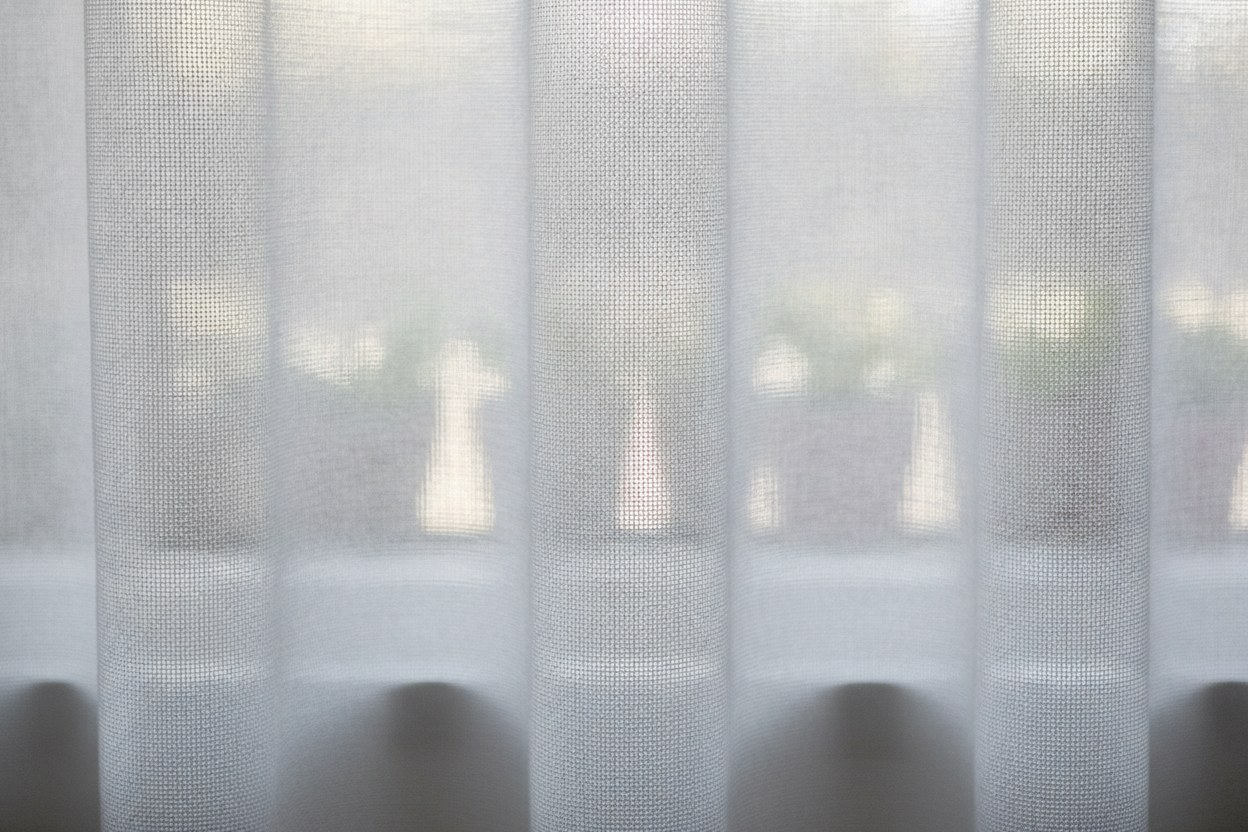
The direction a window faces decides more than any plant care label. These are typical midday readings taken 30 cm inside the glass on a clear İstanbul day — a starting point the finder then adjusts for distance, month and curtains.
North
lumen tenuis2 400 lux
Flat, shadowless sky-light. No direct sun, ever. Honest shade — pick the plant for it.
East
lux matutina5 200 lux
Gentle direct sun to about 10:00, then bright shade. Kind to most foliage.
South
lux meridiana8 600 lux
The brightest glass, and brighter still in winter when the sun sits low. Watch for scorch.
West
lux vespertina5 200 lux
Shade until noon, then hot afternoon sun. Reads like east but drier and warmer.
Table no. 07·A — midday, clear sky, 41°N. A heavy net curtain roughly halves every figure above.
Distance from the glass
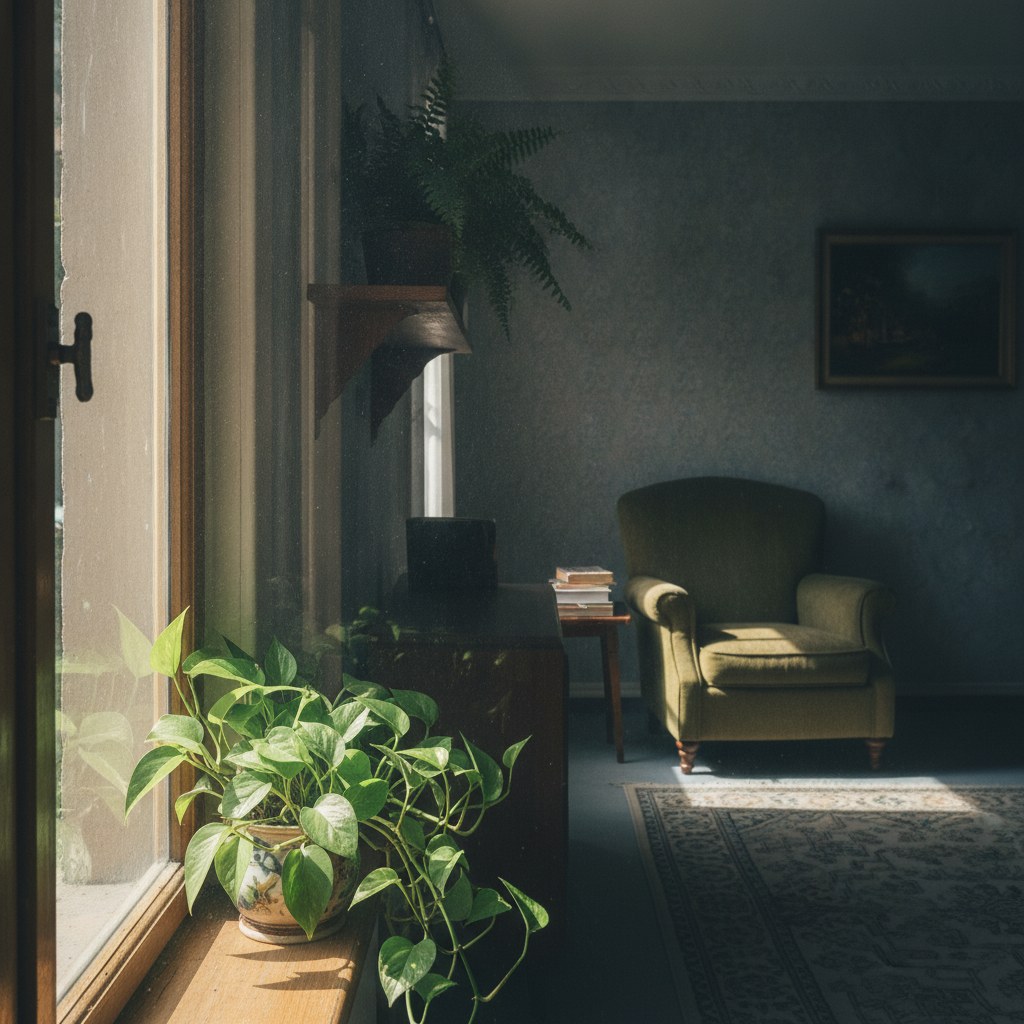
To your eye the whole room is "bright". To a leaf it is not. Light drops away sharply in the first metre from the window — which is why a plant two metres back in a north room keeps almost nothing, even by a window that reads well.
The finder
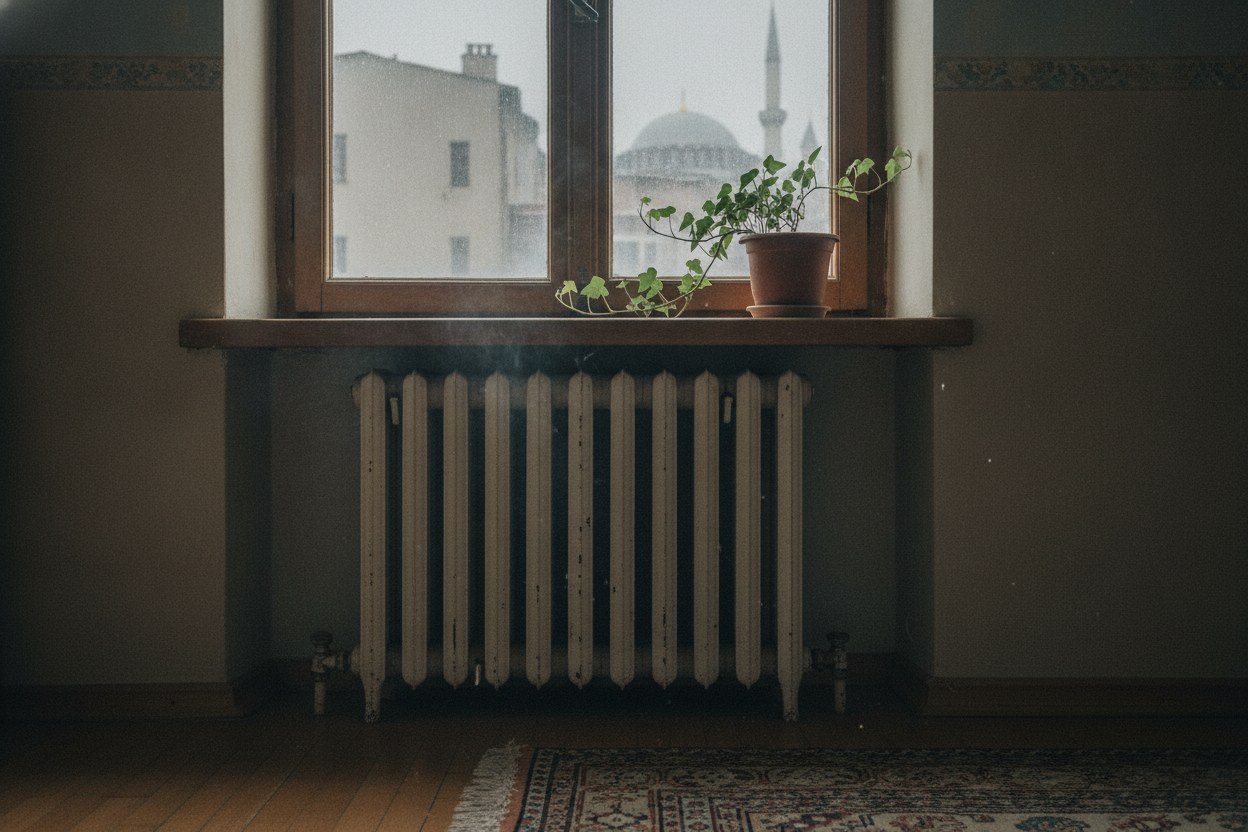
Set your window, how far the plant stands from the glass, and the month. The finder estimates the light at the leaf in lux, tells you which plant groups tolerate that level and how often to water — and flags the three things that quietly ruin a reading: a deep room, a heavy net curtain, a radiator under the sill.
An estimate, not a meter reading. Wall colour, ceiling height and the building across the street all move the number — treat it as a well-informed starting point and watch the leaf.
Reading the leaf
The plant tells you about its light long before it dies. These are the signals we see most often in İstanbul flats, and what each one usually points to — with the measurement that confirms it.
| The signal | Usually means | What to check |
|---|---|---|
| Long gaps between leaves, pale new growth | Not enough light; the plant is stretching to reach it (etiolation) | Reading under 800 lux at the leaf · move toward the glass |
| Lower leaves yellow and drop | Overwatering in low light — the roots cannot use the water they are given | Soil still wet after 10 days · water less, not more |
| Brown, crispy leaf edges | Dry air, often a radiator under the sill, or underwatering | Humidity below ~40% · check for a heat source nearby |
| Bleached, scorched patches | Too much direct sun through clear south or west glass | Reading over 15,000 lux at midday · pull back or add a sheer |
| Whole plant leaning hard at the window | Light is directional and a little short; the plant is reaching | Rotate a quarter-turn weekly · consider a brighter window |
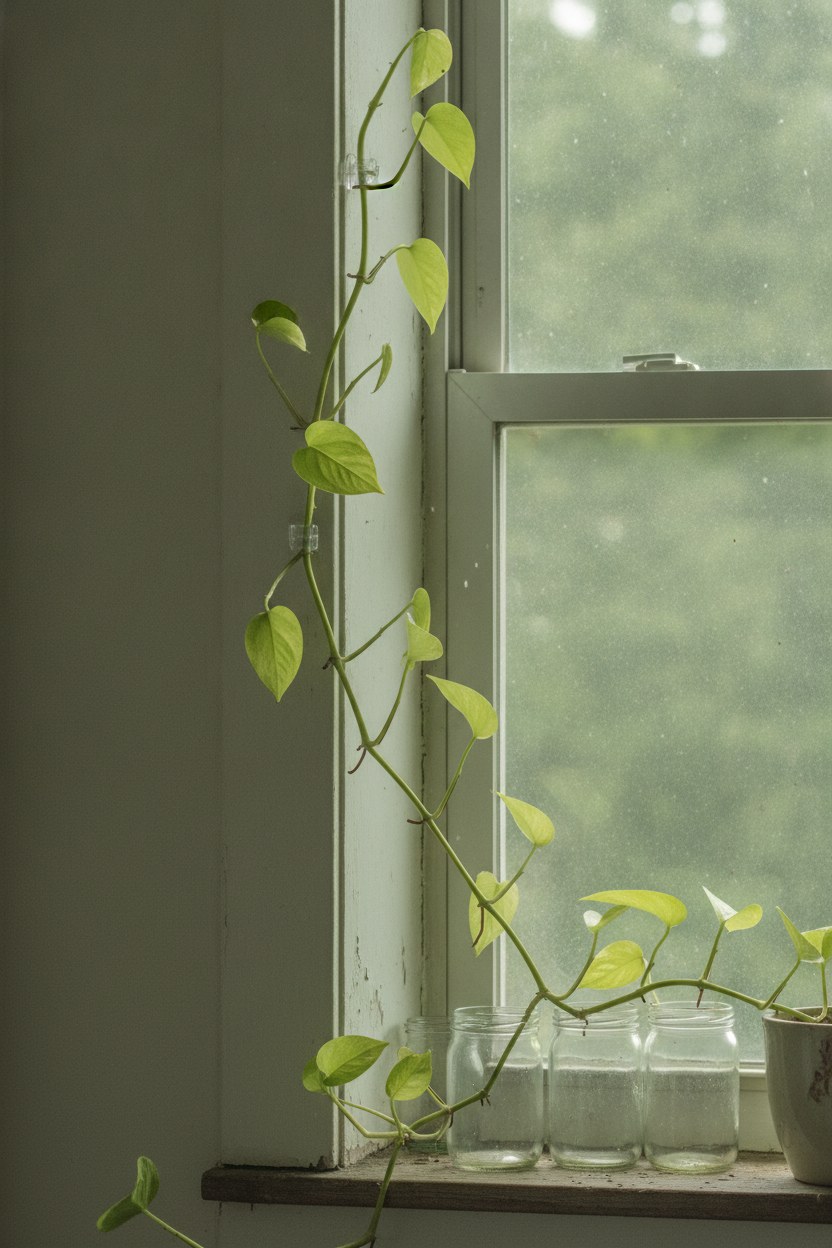
Epipremnum aureum
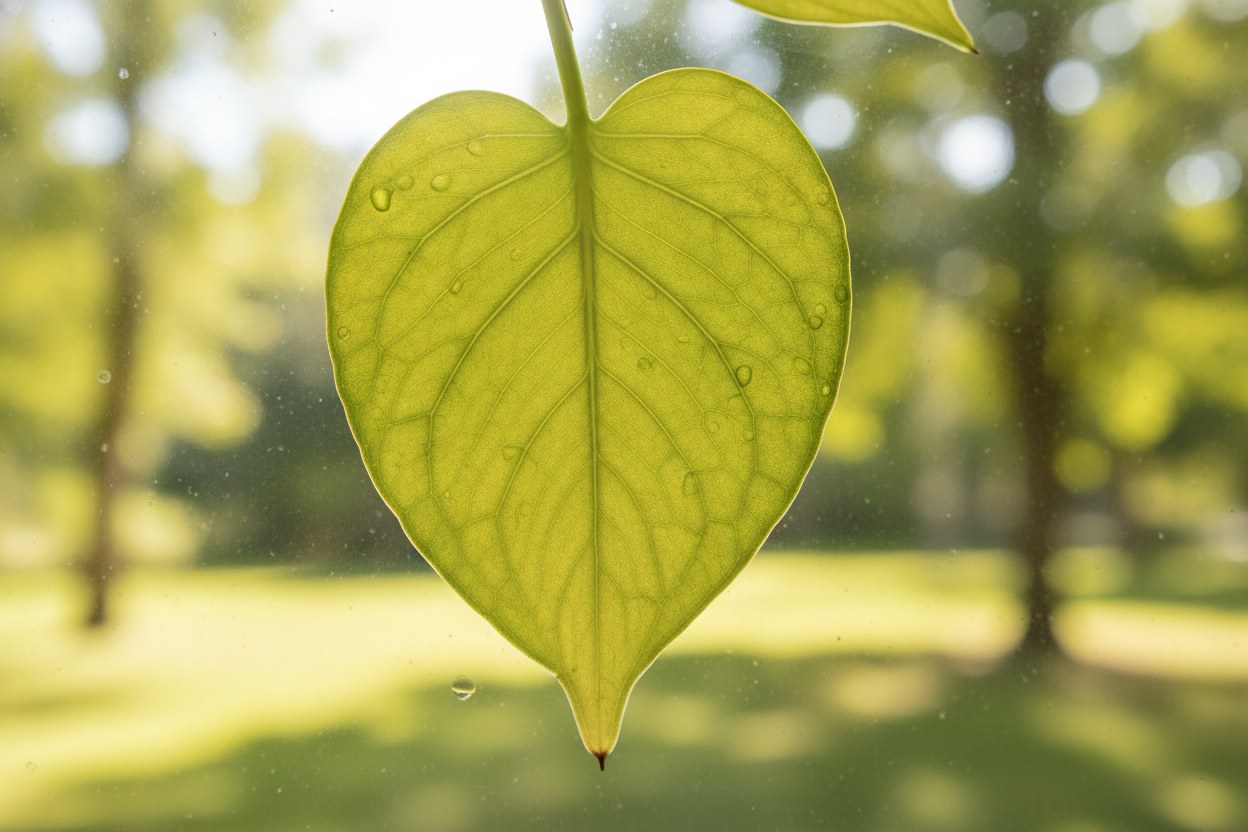
Pothos is sold as "indestructible", and it is — but in 2,400 lux it survives rather than grows. The leaves come smaller and paler, the vine reaches toward the glass, and the gaps between leaves stretch. None of that is a watering problem. It is a light problem, and only moving it fixes it.
Keep away from pets — pothos is toxic if chewed.
How we measure
We put a lux meter where the leaf sits — not on the sill, not by eye — and read it at the same hour across a week. Then we write the honest version: a north room two metres deep keeps almost nothing, and no amount of care changes that. The finder is that fieldwork, turned into a number you can get at home.
Where a window simply cannot hold a plant, we say so. That is the whole point of a journal that sells nothing.
Try your windowWe sell nothing · no nursery ads
Reader letters
Readers write in with a window and a plant that is struggling. A selection from the last few issues — lightly edited, printed with permission.
Letter 01 · reply to Issue 05
"I kept moving my calathea and blaming the water. The finder put my north window at about 600 lux in January — so I stopped fussing and moved a snake plant into that spot instead. The calathea moved to the kitchen and recovered in a month."
Letter 02 · reply to Issue 04
"Turns out my 'bright' living room is a radiator problem, not a light one. Crispy edges every winter. Moving the fern 30 cm off the sill, away from the heat, did more than any mister. The only miss: I wish the piece had warned me sooner about the dry air."
Letter 03 · reply to Issue 06
"I have a west window behind a heavy net curtain that I can't take down (neighbours). The finder's net-curtain toggle halved my number to around 2,100 lux and suddenly my hoya's slow year made sense. Honest and a bit deflating, which is exactly why I trust it."
Questions
Ask the desk anything
No. It is a model built from hundreds of readings we have taken around Kadıköy with a calibrated meter, adjusted for orientation, distance, month and the three common obstacles. It gives you a well-grounded estimate in seconds. For a precise figure, a phone lux-meter app held at the leaf will get you within range for free.
In İstanbul the winter sun sits low in the sky, so it reaches much further through a south-facing window and across the floor. A south sill can read higher in December than in June, when the high summer sun barely clears the top of the glass. The finder reflects this — switch the month and watch the south number move.
A great deal. A wall or building opposite can halve the light, especially on lower floors. The finder cannot see your street, so if you are overlooked and close, treat its number as an optimistic ceiling and lean a band lower when you choose a plant.
Often, in a genuinely dark İstanbul flat, yes — and we would rather say that than sell you a plant that will slowly fail. A grow light turns a sub-400 lux corner into a workable spot. We cover choosing one in Issue 06; the short version is that it must be close and on a timer, not a decorative bulb across the room.
Many common houseplants — pothos, philodendron, peace lily, calathea's relatives — are mildly toxic if chewed. Snake plant and ZZ are also toxic. We note "keep away from pets" throughout. If you share your home with animals that nibble, tell us when you write and we will steer you to the genuinely safe options for your light.
Neither. Lux & Leaf is a reader-supported journal. Nothing on this site is for sale, and no nursery pays us. That independence is the only reason we can tell you a window will not work for the plant you want.
Write to the journal
Tell us the direction, roughly how far the plant stands from the glass, and what the leaves are doing. We read everything and answer in the next issue or by email — and the clearest letters get printed.
Go to contactReading hours Tue–Sat
The desk
Phone / WhatsApp
+90 216 449 27 63
The flat
Caferağa Mah., Moda Caddesi No:74/3
Kadıköy / İstanbul
Reading hours Tue–Sat. We are a three-person desk, so replies take a day or two.